
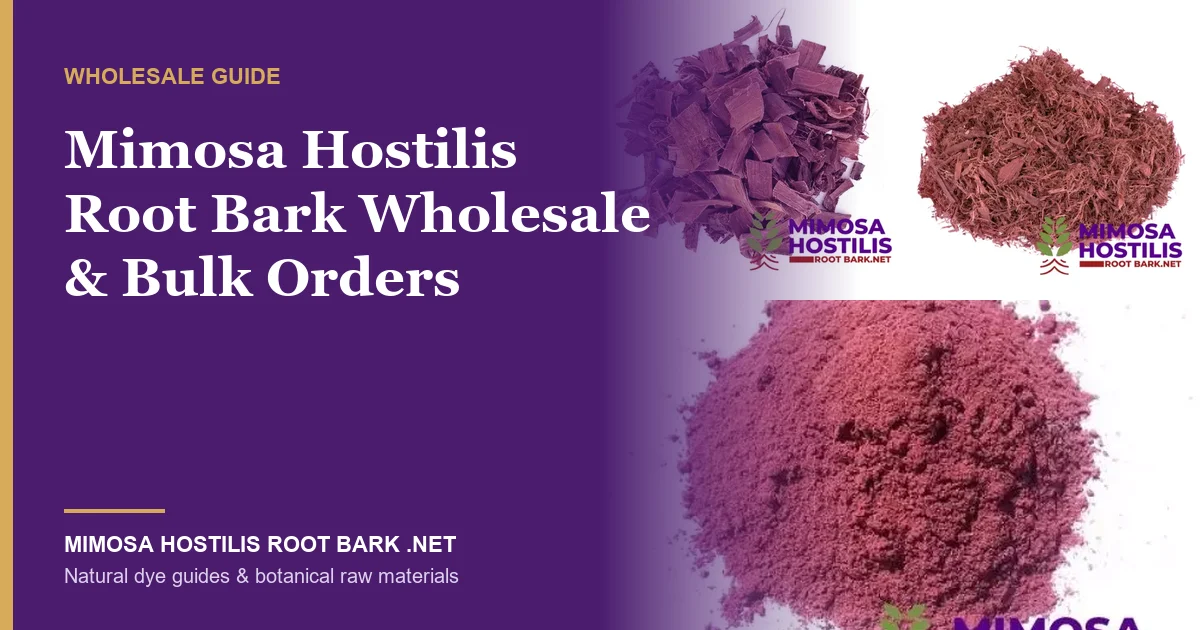
Mimosa Hostilis (Tepezcohuite) for Soap and Cosmetics
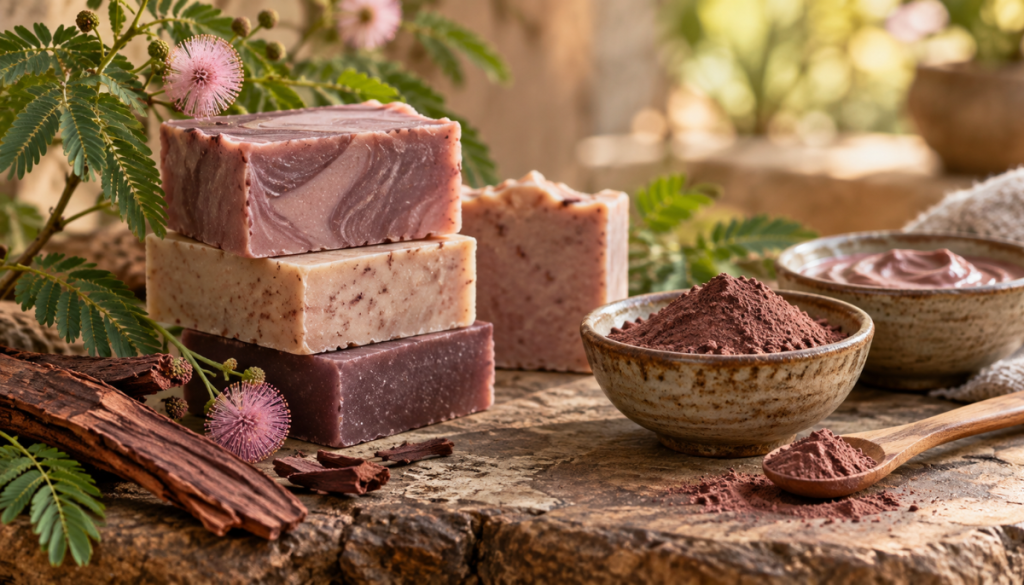
Mimosa Hostilis, locally known as Jurema Preta in Brazil and Tepezcohuite in Mexico, is a plant famous for its incredible botanical properties. For centuries, indigenous cultures have revered the inner root bark of this tree for its profound skin-regenerating and healing qualities. Today, Tepezcohuite has transitioned from traditional folklore to modern cosmetic labs, becoming a highly sought-after ingredient in natural soap-making and organic skincare formulations.
The Legend of Tepezcohuite: The “Skin Tree”
In Mexico, the Mayan civilization referred to Tepezcohuite as the “skin tree.” They used powdered Mimosa Hostilis root bark to treat burns, wounds, and skin infections. In the 1980s, Mexico experienced severe natural disasters, and local medical teams turned to powdered Tepezcohuite to treat burn victims when conventional medical supplies were exhausted, witnessing remarkable skin recovery rates.
Active Compounds and Skin Benefits
Mimosa Hostilis inner root bark is exceptionally rich in bioactive molecules:
- Tannins: Act as powerful natural astringents. They tighten skin pores, regulate excess sebum production, and build a protective shield on the epidermis.
- Flavonoids: Highly potent antioxidants that combat free radicals, protecting skin from premature aging and pollution.
- Saponins: Provide mild, natural cleansing properties and encourage cell regeneration.
Using Mimosa Hostilis Powder in Soap Making
Many artisans incorporate finely ground Mimosa Hostilis root bark powder into their cold process soaps. Here is why you should try it:
- Natural Colorant: Depending on the pH of your soap batter, MHRB powder produces beautiful organic colors ranging from dusty mauve and lavender to deep brown and purple.
- Gentle Exfoliant: The fine powder acts as a natural, non-abrasive exfoliant that helps remove dead skin cells while promoting microcirculation.
- Soothing Bar: Soaps formulated with Mimosa Hostilis are excellent for sensitive, dry, or eczema-prone skin due to the bark’s inherent anti-inflammatory properties.
Usage Rate: Typically, adding 1 to 2 tablespoons of finely ground powder per pound of soap oils at “trace” is sufficient to get a rich color and therapeutic properties.
How to Create a DIY Tepezcohuite Facial Mask
If you have raw Mimosa Hostilis root bark powder, you can make a simple facial mask at home:
Ingredients:
- 1 teaspoon of Mimosa Hostilis powder
- 1 tablespoon of Kaolin Clay (or Bentonite clay)
- 2 tablespoons of organic rosewater or pure water

Instructions:
1. Mix the dry powders in a small wooden or ceramic bowl.
2. Slowly add the liquid while stirring until a smooth paste forms.
3. Apply to clean skin, avoiding the eyes.
4. Leave it on for 10-15 minutes (do not let it dry completely).
5. Rinse gently with warm water.
Conclusion
Whether you want to formulate premium botanical soaps or create natural remedies, Mimosa Hostilis is a versatile, time-tested ingredient. To experience the benefits of this ancestral plant without the hassle of making your own, check out our pre-formulated Tepezcohuite Soap or purchase raw Mimosa Hostilis Root Bark Powder to start your own DIY cosmetic formulations today!
Categories
Most Popular
Mimosa Hostilis Root Bark: Powder vs. Shredded vs. Whole
October 20, 2026
Mimosa Hostilis Dye Colors: Mordants and Results
October 15, 2026
Social Media
