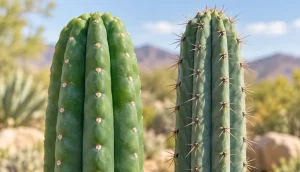
San Pedro Cactus vs. Peruvian Torch: Identification Guide
The columnar cacti of the genus Trichocereus (often classified under Echinopsis) are among the most famous and striking specimens in

The columnar cacti of the genus Trichocereus (often classified under Echinopsis) are among the most famous and striking specimens in

Natural dyeing is a beautiful craft that connects us to ancestral traditions and the natural world. Among organic dye sources,
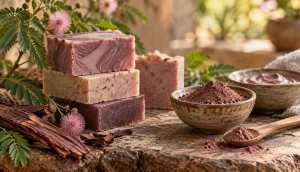
Mimosa Hostilis, locally known as Jurema Preta in Brazil and Tepezcohuite in Mexico, is a plant famous for its incredible

Wild Dagga, known as Leonotis leonurus, has been used in traditional African medicine for centuries. This plant, native to South

The San Pedro cactus, scientifically known as Echinopsis pachanoi, is a plant native to the Andes mountains in South America.

The fijian kava ceremony is a deeply rooted cultural tradition. This practice uses the root of the Piper methysticum plant,

The San Pedro cactus (Echinopsis pachanoi) is a fast-growing, columnar cactus native to the Andes of Peru and Ecuador. Recognized

The San Pedro cactus has been traditionally used in rituals by various cultures due to its hallucinogenic properties. Throughout history,

Mimosa hostilis, also known as Jurema, is a plant native to Brazil, Mexico, and other parts of Latin America. Renowned
