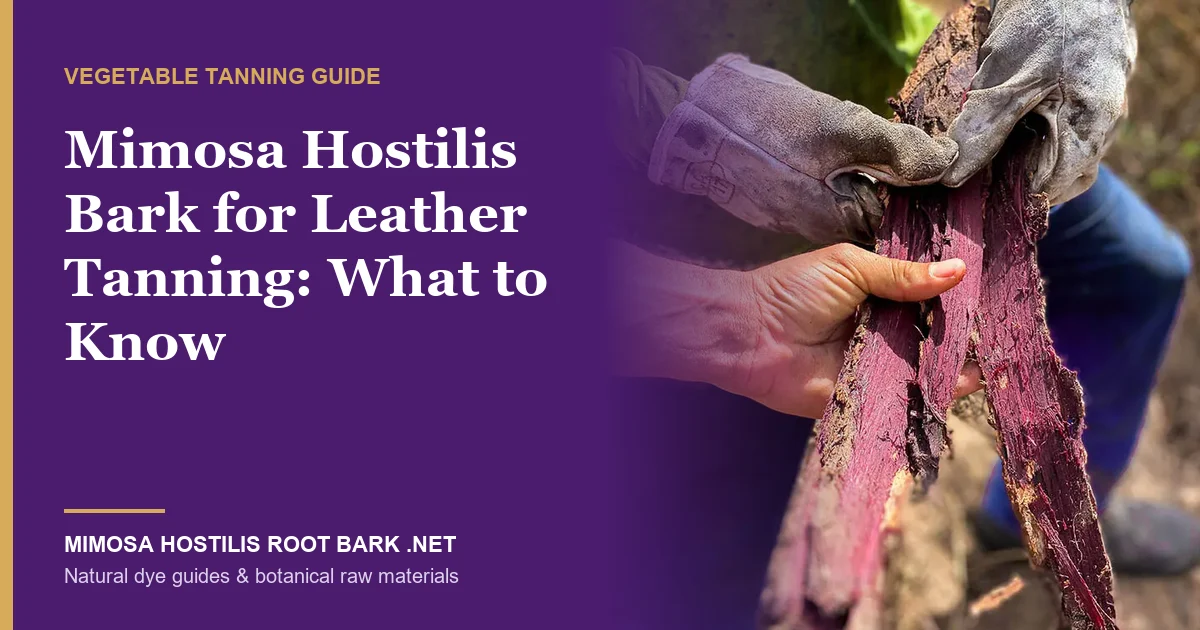
Mimosa hostilis root bark is a botanical material that may interest those exploring traditional leather-processing techniques. This interest is related to plant tannins, compounds found in various plants that are used in tanning to help stabilize animal hides and transform them into leather.
But can Mimosa hostilis root bark be used for leather tanning? To answer this question, it is important to distinguish between what is known about plant tannins, what has been studied in related mimosa species, and what still needs to be verified for each commercial product.
In this guide, you will learn how vegetable tanning works, which factors influence its results, and why it is advisable to consult a professional before using a new tannin source.
1. What Is Vegetable Tanning and How Does It Work?
Vegetable tanning is a traditional technique that uses tannins obtained from plants to transform animal hides into leather. Unlike other tanning methods, this process relies on plant-derived compounds that interact with collagen, a structural protein found in animal skin.
This interaction helps stabilize the hide’s structure and modifies its properties, making it possible to transform it into a durable material.
Where Do Vegetable Tannins Come From?
Tannins are found in different parts of plants, so several types of raw materials can be used to obtain them.
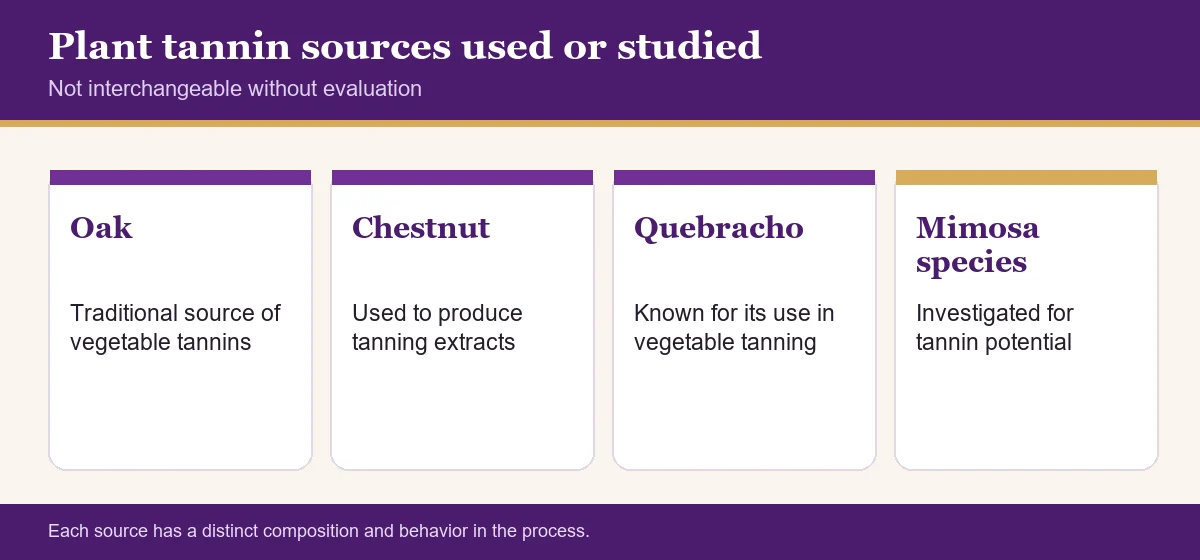
Plant sources studied and used in tanning include:
- Oak: A traditional source of vegetable tannins.
- Chestnut: Used to produce tanning extracts.
- Quebracho: Known for its use in vegetable tanning processes.
- Mimosa species: Some have been investigated for the potential of their tannins in leather processing.
Each source has a distinct composition. Therefore, the fact that two materials contain tannins does not mean they can be used interchangeably without evaluating their characteristics and behavior during the process.
2. Why Are Tannins Important in Leather Manufacturing?
Tannins are essential to vegetable tanning because they can interact with proteins in the hide, including collagen. However, the outcome depends on much more than the presence of these compounds.
Tannin composition, concentration, and processing conditions all influence how a material behaves during tanning.
Factors That Influence the Results
Before evaluating a new tannin source, it is worth considering the following factors:
- Chemical composition: Tannins are not identical across all plants and may interact differently with collagen.
- Tannin concentration: The amount present influences a material’s potential, but it does not, by itself, demonstrate that the material is an effective tanning agent.
- Raw material preparation: Processing can affect the availability of plant compounds.
- Hide type: The characteristics of the hide being tanned influence the final result.
- Working conditions: The method used and the level of process control can affect the properties of the finished leather.
In other words, identifying bark that contains tannins is only the first step. To determine whether it can be used as a natural tannin source for leather tanning, its performance must also be evaluated under appropriate conditions.
3. Can Mimosa Hostilis Be Used for Leather Tanning?
This is the central question for anyone researching leather tanning with Mimosa hostilis.
Scientific research has investigated the tanning potential of tannins from Mimosa tenuiflora, a related species featured in studies of plant bark. A study published in 2014 evaluated tannin extracts from different forest species for tanning and retanning goat hides.
The results identified potential in Mimosa tenuiflora tannins, although the researchers noted that further studies were needed to improve their tanning characteristics and assess their economic feasibility. Read the scientific study.
This finding is relevant, but an important distinction must be made: research on a related species does not automatically prove that every product sold as Mimosa hostilis root bark will perform in the same way.
What Does This Mean in Practice?
- There is a scientific starting point: The potential of tannins from mimosa species for leather tanning has been investigated.
- There is no universal guarantee: Composition and performance may vary depending on the species, the plant part, and the characteristics of the material.
- A product-specific evaluation is needed: The suitability of a commercial product must be verified before it can be recommended for a particular application.
Can It Be Used as the Main Tanning Agent or as a Complement?
It is not possible to make a universal recommendation without product-specific testing. To determine whether the bark could work as the primary tanning agent or as a complement to other tannins, a professional must evaluate its composition, compatibility with the hide, and performance under controlled conditions.
If you are considering using this raw material in a tanning project, consult an experienced tanner before incorporating it into the process. Their guidance can help you determine which tests are necessary and which criteria should be used to assess the finished leather.
4. From Bark to Leather: An Overview of the Process
Evaluating a new tannin source involves more than preparing plant material and applying it to a hide. It is necessary to understand its origin, characteristics, and behavior during processing.
Although the details depend on the tanning system, these are the main stages worth considering:
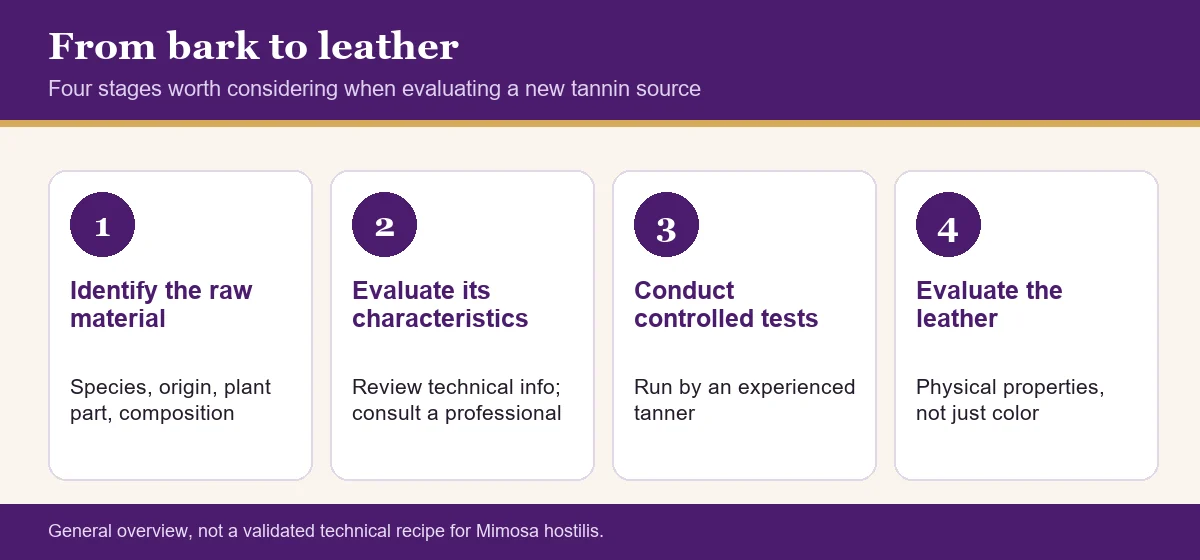
1. Identify the Raw Material
Before using plant bark, it is important to know:
- Its botanical identity: Confirm which species is being used.
- Its origin: Determine where the material comes from and which part of the plant was used.
- Its composition: Review the available technical information about its components.
These details help determine whether sufficient information is available to assess its potential use in tanning.
2. Evaluate Its Characteristics
Not all plant-based tannin sources behave in the same way. For this reason, it is important to review the available information about the material and consult a professional who can assess its suitability for the intended use.
In the case of Mimosa hostilis, it should not be assumed that commercially available bark will perform in the same way as materials studied in research on related species.
3. Conduct Controlled Tests
Before using a new tannin source on a larger scale, an experienced tanner can evaluate the material under controlled conditions.
These tests make it possible to observe how the material behaves during processing and determine whether it is suitable for the type of hide and the desired outcome.
4. Evaluate the Resulting Leather
The final evaluation should consider more than the material’s appearance. Depending on its intended use, it may also be necessary to assess its physical properties and the quality of the tanning process.
Important: Color alone does not demonstrate that tanning has been successful or that the leather meets the requirements of its intended application.
This outline provides a general overview of the process, not a validated technical recipe for Mimosa hostilis. Before using this bark for leather tanning, consult a professional who can evaluate the material and recommend the necessary tests.
5. What Color Can Mimosa Hostilis Produce in Leather?
The type of tannin used can influence the color of vegetable-tanned leather. In general, hydrolyzable tannins tend to produce light brown, yellowish, or slightly greenish shades, while condensed tannins are associated with brown tones that can vary toward reddish hues. These are general color references for vegetable tanning, not results specifically confirmed for Mimosa hostilis root bark.
What Is Known About Mimosa Tannins?
Research on vegetable tanning reveals several general trends:
- Brown and reddish-brown shades: These are common in leather tanned with certain sources of condensed tannins.
- Color changes over time: Some tannins may undergo tonal changes after prolonged exposure to light.
- Differences between materials: Tannin composition influences color and other characteristics of the finished leather.
A study of leather tanned with different plant sources, including mimosa used commercially as a tanning agent, found differences in color changes under light exposure. However, these findings cannot predict the shade that a specific commercial Mimosa hostilis product would produce. Read the study on color stability.
What Determines the Final Color?
In addition to the type of tannin, the result may vary depending on:
- The composition and concentration of the tannins present.
- The type, condition, and original color of the hide.
- How the raw material is prepared.
- The conditions of the tanning process.
- Subsequent exposure to light and the surrounding environment.
Looking for a specific finish? Before using Mimosa hostilis root bark in a project, consult a professional tanner and request an evaluation of the material. A controlled test can help assess the color obtained from that particular raw material.
Remember that color alone is not enough to determine tanning quality. The leather’s properties and suitability for its intended use must also be evaluated.
6. Safety, Handling, and Waste Disposal
Although tannins are plant-derived, this does not mean that every process involving them is risk-free. Handling bark, generating dust, and managing waste require appropriate precautions.
Good Handling Practices
Before working with root bark or prepared plant material, consider the following recommendations:

- Minimize dust exposure: Fine particles can become airborne. Follow appropriate safety practices and use suitable protective equipment.
- Protect your skin and eyes: Select protective equipment according to the material and the tasks being performed.
- Consult the supplier’s information: Review the instructions and safety information available for the specific product.
- Keep the work area organized: Prevent accidental exposure and contamination of other materials.
What Should You Know About Wastewater?
Tanning can generate wastewater containing tannins and other organic substances. Its composition depends on the materials and procedures used, so it should not be assumed to be suitable for direct discharge into household drains, onto the ground, or into waterways.
To manage this waste responsibly:
- Identify the materials and processes involved in generating the wastewater.
- Check local requirements for its treatment and disposal.
- Seek advice from a qualified wastewater-treatment professional when necessary.
A material’s plant-based origin does not guarantee that concentrated process waste is harmless to the environment. In commercial applications, wastewater management should be based on the actual process and the applicable technical and regulatory requirements.
7. When Should You Choose Another Tannin Source?
Mimosa hostilis root bark may be interesting from a botanical perspective, but it will not necessarily be the right choice for every tanning project.
It may be worth evaluating another tannin source when:
- You need consistent results: The project requires repeatable, well-documented performance.
- The material’s composition is unknown: The available information is insufficient to determine whether it is suitable for the process.
- There is not enough testing: The product lacks technical documentation about its behavior during tanning.
- The leather must meet specific requirements: The final application requires particular properties or quality standards.
- You need to control production waste: The process requires a properly assessed wastewater-treatment and disposal system.
Plant sources used or studied for tanning include oak, chestnut, and quebracho. However, choosing an alternative should also depend on the project’s needs and the characteristics of the tanning system.
Want to Explore the Available Forms of Mimosa Hostilis?
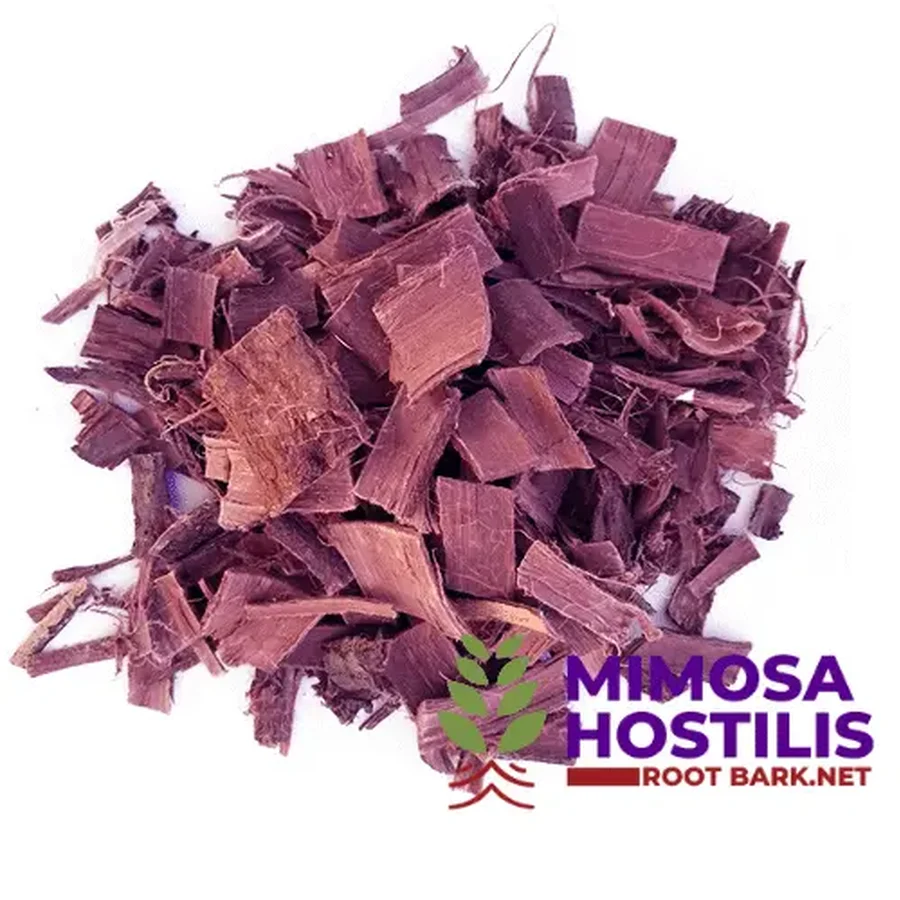
If you are exploring this raw material for different botanical applications, you can view the available forms in our store:
These forms should not be considered equivalent in tanning performance without an appropriate evaluation. Their availability also does not guarantee that they are suitable for this application.
If you are interested in another use for this raw material, you can also read our guide on how to dye natural fabrics with Mimosa hostilis root bark.
8. Frequently Asked Questions About Mimosa Hostilis and Leather Tanning
Does Mimosa Hostilis Root Bark Contain Tannins?
Tannins in Mimosa tenuiflora bark and their potential application in tanning have been investigated. However, it should not be assumed that all products sold as Mimosa hostilis have the same composition. Reliable information and, where appropriate, a technical evaluation are needed to determine the characteristics of a specific product.
Can Mimosa Hostilis Be Used as the Only Tanning Agent?
It cannot be universally recommended as the sole tanning agent without product-specific testing. Research on related mimosa species indicates potential, but it does not guarantee the performance of all commercially available forms. Consult an experienced tanner to assess its suitability.
What Color Does Mimosa Hostilis Produce When Tanning Leather?
There is no guaranteed color that applies to every material and process. The final appearance depends on the composition of the raw material, the characteristics of the hide, and the processing conditions. If you are looking for a specific finish, request a professional evaluation.
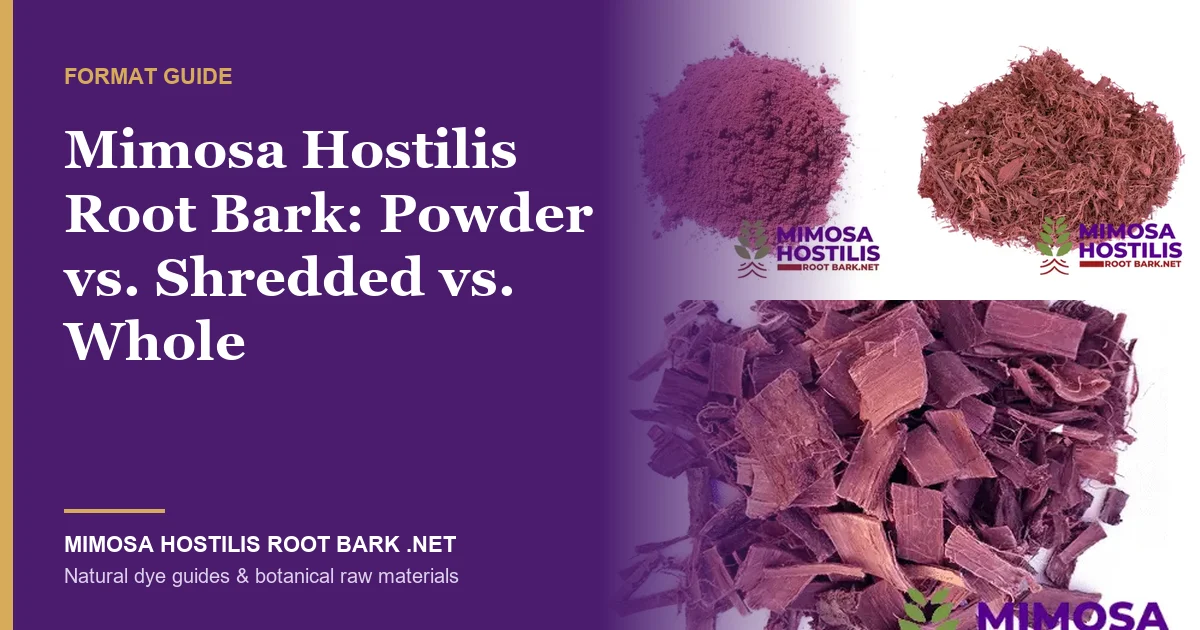
Is Whole Bark or Powder Better for Leather Tanning?
It is not possible to state that one form is always better than the other without testing under the intended process conditions. Particle size may affect how the material is handled and prepared, but it does not, by itself, demonstrate its effectiveness as a tanning agent.
Can Tanning Wastewater Be Discharged into a Standard Drain?
It should not be assumed that tanning wastewater is suitable for household drains. Its composition depends on the process, and treatment may be necessary. Check local regulations and seek specialist advice before disposing of the waste.
Should You Consult a Professional Before Using Mimosa Hostilis for Leather Tanning?
Yes, especially when there is no testing available for the specific product you intend to use. A qualified tanner can help determine whether the material is suitable for the intended application, which tests are necessary, and how to evaluate the results.